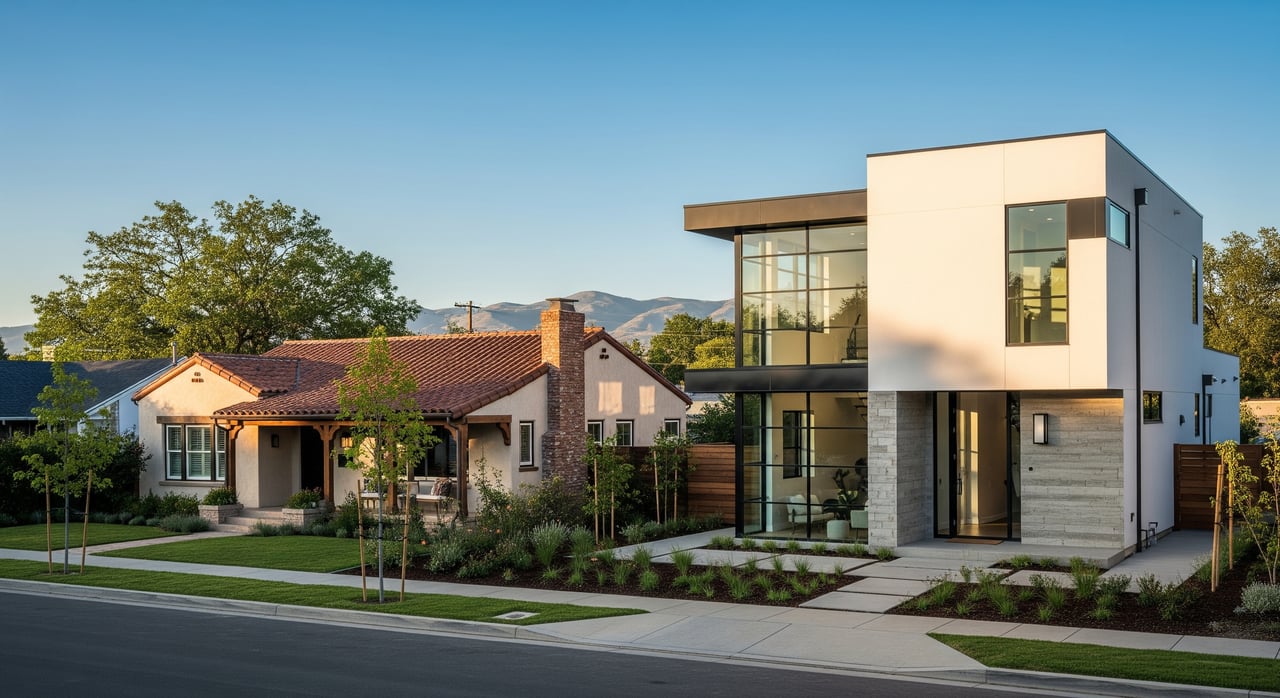
Thinking about buying in Folsom and stuck between a shiny new build and a charming resale? You are not alone. Each path offers real benefits, but the details around cost, timing, taxes, and condition can lead to very different experiences. In this guide, you will learn how new construction and resale homes compare in Folsom, what to expect with Mello‑Roos and HOAs, how timelines work, and what to ask before you sign anything. Let’s dive in.
New build vs resale at a glance
Folsom blends established neighborhoods near Old Town with newer master‑planned communities. That mix shapes what you get for your money.
- New builds often deliver modern floorplans, energy‑efficient systems, and builder warranties. You may also see community amenities and options to personalize finishes.
- Resale homes can offer mature landscaping, larger lots, and locations close to trails, retail, light rail, or Folsom Lake. You may also find more negotiating room depending on market conditions.
Key idea: New construction in Folsom usually commands a higher price per square foot, while resale homes may offer value through location and established comparables for appraisals.
Cost factors in Folsom
Purchase price and $/sqft
- New builds: Expect higher list prices and higher price per square foot due to modern features and lot premiums. In communities with fewer recent sales, appraisals can be tricky if there are not many true comps.
- Resale homes: Pricing can be more flexible, and appraisals are often simpler because there are more comparable sales.
Ongoing costs to budget
- New builds: Lower near‑term maintenance and often better insulation, windows, HVAC, and appliances that can reduce utility costs.
- Resale homes: Budget for inspections and possible immediate repairs like roof, HVAC, electrical, plumbing, or pest remediation based on age and condition.
Pro tip: Run multiple mortgage calculator scenarios for both options so you can compare the monthly payment with HOA dues, estimated taxes, and likely maintenance.
Taxes, HOA, and Mello‑Roos
Property taxes and Prop 13 basics
California’s Prop 13 keeps assessed values lower for properties that have not sold recently. When you buy:
- Resale: The property is reassessed at your purchase price. Some older homes carried lower assessments before the sale, which is why your bill can differ from the prior owner’s.
- New build: The first‑year assessed value typically reflects current market value. That can mean a higher first‑year tax bill than a similarly priced older home that benefited from a prior low assessment.
Mello‑Roos and special assessments
- Many newer Folsom subdivisions use Community Facilities Districts, also called Mello‑Roos, to finance infrastructure and public improvements. These charges appear as separate lines on the property tax bill and can last for years.
- Older resale neighborhoods are less likely to have Mello‑Roos. This difference can change your total monthly housing cost.
Ask for the specific CFD disclosure for the lot you are considering and verify with Sacramento County tax records. Confirm the annual amount and estimated payoff timeline before you write an offer.
HOA dues and CC&Rs
- New master‑planned communities often come with HOA dues that cover common areas, private amenities, and landscape maintenance. Dues vary and can change over time.
- Many resale homes in Folsom also fall under HOAs. Review current dues, rules, and any history of special assessments.
Request HOA CC&Rs, the budget, and the reserve study so you understand long‑term costs and restrictions before you commit.
Timeline and process
How long it takes to close
- Resale: Once you are under contract, escrow in California often closes in about 30 to 45 days, depending on your lender and contingencies.
- New build: Timing depends on construction status. Inventory or model homes can close on a typical escrow timeline. If you are building or buying a spec home early, plan for several months to a year or more.
Timing risks with new construction
- Construction delays can happen from permits, inspections, weather, subcontractor schedules, or supply chain issues.
- Change orders for upgrades can add both time and cost.
- Builder incentives sometimes require using the builder’s preferred lender, which affects underwriting timelines and terms.
Ask for a written construction schedule and a realistic completion window. Request the builder’s historical on‑time completion rate for the community.
Inspections and warranties
What inspections look like
- Resale: You typically schedule a full home inspection plus roof and pest reports. For older areas, consider sewer scope, HVAC review, electrical panel evaluation, and foundation and drainage checks.
- New build: Expect builder walk‑throughs and punch‑list reviews. Many builders allow independent inspections at key stages such as pre‑drywall and final, but some limit timing and access. Confirm inspection rights in your purchase contract.
Even new homes can benefit from a pest inspection and grading review to confirm drainage is correct.
Warranty differences
New construction usually comes with staged coverage, often a 1‑2‑10 structure: about 1 year for workmanship and materials, 2 years for systems like electrical, plumbing, and HVAC, and 10 years for major structural elements. Verify the exact warranty documents and understand the claim process, since service requests often route through a builder warranty department.
Resale homes rarely include a builder warranty, so your protection comes from inspections, seller disclosures, and contingency rights.
Incentives, financing, and appraisal
Builder incentives
Builders in the region often offer closing cost credits, rate buydowns, appliance packages, or paid upgrades. These incentives can make new construction attractive up front, but read the fine print. Many require you to use the builder’s preferred lender, and the true savings depends on the total loan costs.
Compare the net cost over time. A temporary rate buydown may reduce your payment today, but you should review what your payment will be after the buydown ends.
Seller concessions on resale
Resale sellers may offer closing cost credits, price reductions, or repairs depending on market conditions. Your leverage depends on local supply and demand at the time you write an offer.
Appraisal considerations
- New builds: Appraisers may have limited comparable sales if the community is early in its release phases. That can lead to appraisal gaps.
- Resale: Established comps make valuation more straightforward.
Your strategy should factor in the likelihood of an appraisal gap on new construction and how you would handle it if that occurs.
Lifestyle and resale value in Folsom
Folsom appeals to a wide range of buyers for its outdoor access, trails, and proximity to Folsom Lake, with convenient retail and medical services. Light‑rail access to Sacramento also shapes commute choices for many residents. These lifestyle factors influence whether a new build or a resale feels right for you.
- New builds: Favor modern layouts, integrated tech, energy efficiency, and low initial maintenance. Communities may include new parks, trails, and planned amenities.
- Resale homes: Often found in established areas with mature trees, larger yards, and locations close to Old Town Folsom or other activity hubs.
Resale value over time depends on location, build quality, lot size, neighborhood maturity, and stewardship by the builder or HOA. For newer communities, long‑term strength often follows thoughtful site planning and demand for the micro‑neighborhood.
What to ask and review
Questions to ask your agent before model visits
- Will you represent me at the model home? Model salespeople usually represent the builder.
- What comparable sales support the price for this community and this phase?
- Do incentives require the builder’s preferred lender? What happens if I select another lender?
- Are there Mello‑Roos or other special assessments on this lot? What is the estimated amount and expiration timeline?
- What are typical HOA dues here, and have there been any recent special assessments?
Questions to ask the builder or sales rep
- What warranties are included and how do I file a claim? Can I get the warranty documents now?
- What is the estimated completion date and the builder’s on‑time completion rate for this phase?
- Which features are standard and which are upgrades? Are upgrade prices guaranteed in writing?
- Are independent inspections allowed at each stage? When are the pre‑drywall and final walk‑throughs?
- Are there pending assessments, CFD charges, or bonds buyers should know about?
Documents to request and review
- HOA CC&Rs, bylaws, budget, reserve study, and recent meeting minutes
- Mello‑Roos or CFD disclosures and the Sacramento County tax record for the lot
- Builder warranty documents and any third‑party structural warranty
- Community site plan and phasing schedule
- Purchase contract and addenda that explain change‑order rules, deposit refunds, penalties, and dispute resolution
- For resale: seller disclosures and a preliminary title report
Inspection checklists
- Resale: general home inspection, roof report, pest report, sewer scope, HVAC review, electrical panel assessment, and foundation and grading for drainage.
- New build: pre‑drywall inspection, final inspection, grading and drainage review, landscaping compliance, pest clearance, and a written punch‑list completion plan.
How to decide with confidence
Use a side‑by‑side plan that captures total cost, time, and risk.
- Price and payment scenarios
- Model best‑case and worst‑case purchase prices for both a new build and a resale. Include HOA dues, estimated property taxes, possible Mello‑Roos, and insurance. Add a maintenance reserve for resale and a post‑closing punch‑list reserve for new construction.
- Timing and housing plan
- For new builds, build a timeline with the builder’s target completion date plus a buffer for typical delays. Note how you will handle an overlap with current housing or interim housing if delivery shifts.
- Appraisal and cash buffer
- For new builds, consider how you would address an appraisal gap if comps are limited. For resales, plan for repair negotiations after inspection.
- Documents and due diligence
- Review HOA and CFD disclosures, warranty terms, inspection rights, and builder contract language before you sign. Confirm tax details with Sacramento County records and seek clarity from the City of Folsom on CFD boundaries when needed.
- Walkability and lifestyle
- Tour at different times of day. Confirm commute routes, trail access, and the amenities you use most. Make sure the community’s long‑term feel aligns with your priorities.
When you organize your decision this way, the right choice becomes clearer. You will see whether a premium for new construction is worth it for you, or whether a resale’s location and lot size carry the day.
Ready to compare your options in detail and tour both styles side by side? Connect with Trent Andra for local guidance, tailored scenarios, and a smooth path to the right home for you.
FAQs
What are the main cost differences between new builds and resale homes in Folsom?
- New builds often cost more per square foot and may include HOA and Mello‑Roos, while resales can offer negotiation room and fewer special assessments depending on the neighborhood.
How do property taxes work on a new Folsom home versus a resale?
- Both are reassessed at your purchase price, but new builds typically reflect current market value right away, while older resales may have benefited from prior lower assessments before the sale.
Will a new construction home reduce my maintenance and utility costs?
- Usually yes in the near term because of modern HVAC, windows, insulation, and appliances, though you should still budget for punch‑list items and warranty follow‑ups.
How long does it take to close on a resale compared to a new build?
- Resale escrows often close in about 30 to 45 days, while new builds range from standard timing for inventory homes to several months or more for homes under construction.
What should I know about Mello‑Roos in newer Folsom communities?
- Many newer communities include Community Facilities District assessments that appear on your tax bill, so ask for the specific CFD disclosure for the lot and verify the annual amount and expiration timeline.
Can I bring my own inspector to a new construction home?
- Often yes at defined stages such as pre‑drywall and final, but builders can restrict timing and access, so confirm inspection rights in writing before you sign the purchase contract.
Do builder incentives make new construction cheaper overall?
- Incentives like rate buydowns or closing credits can help up front, but compare the full loan costs and long‑term payment to see the true net savings.
Are appraisals harder on new construction in Folsom?
- They can be if there are limited comparable sales early in a community’s release phases, which raises the chance of an appraisal gap you must plan for.