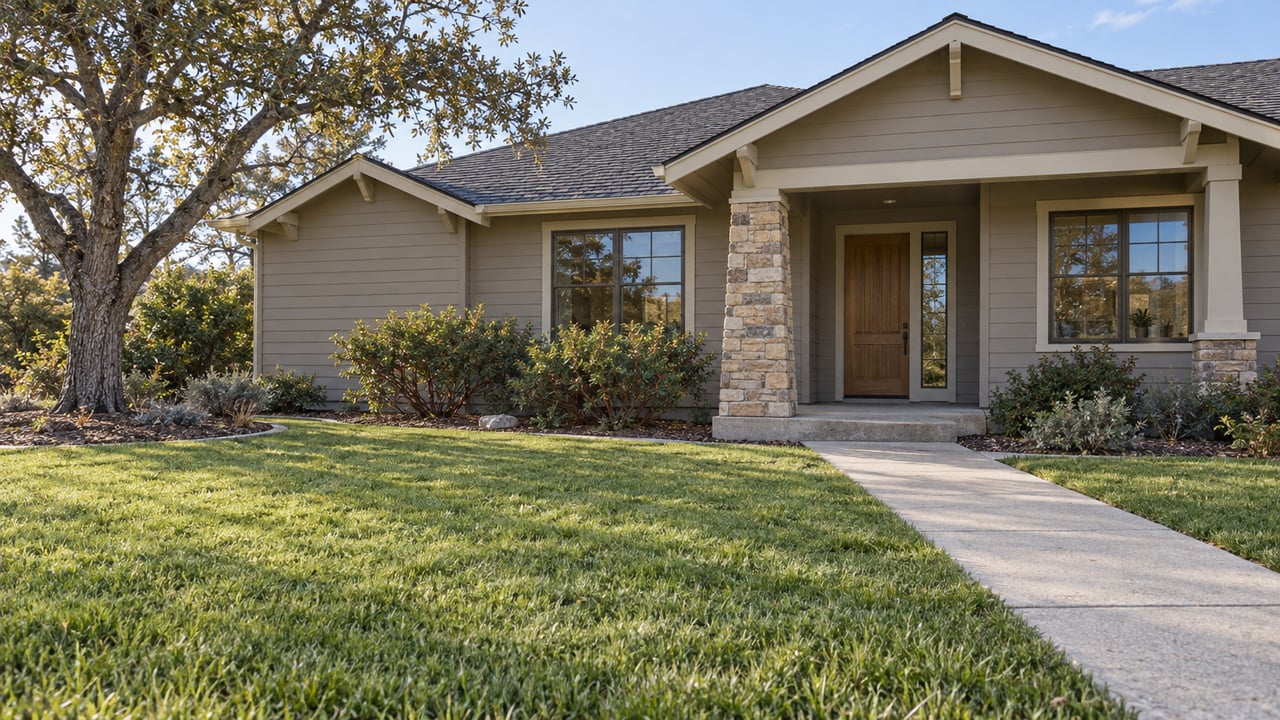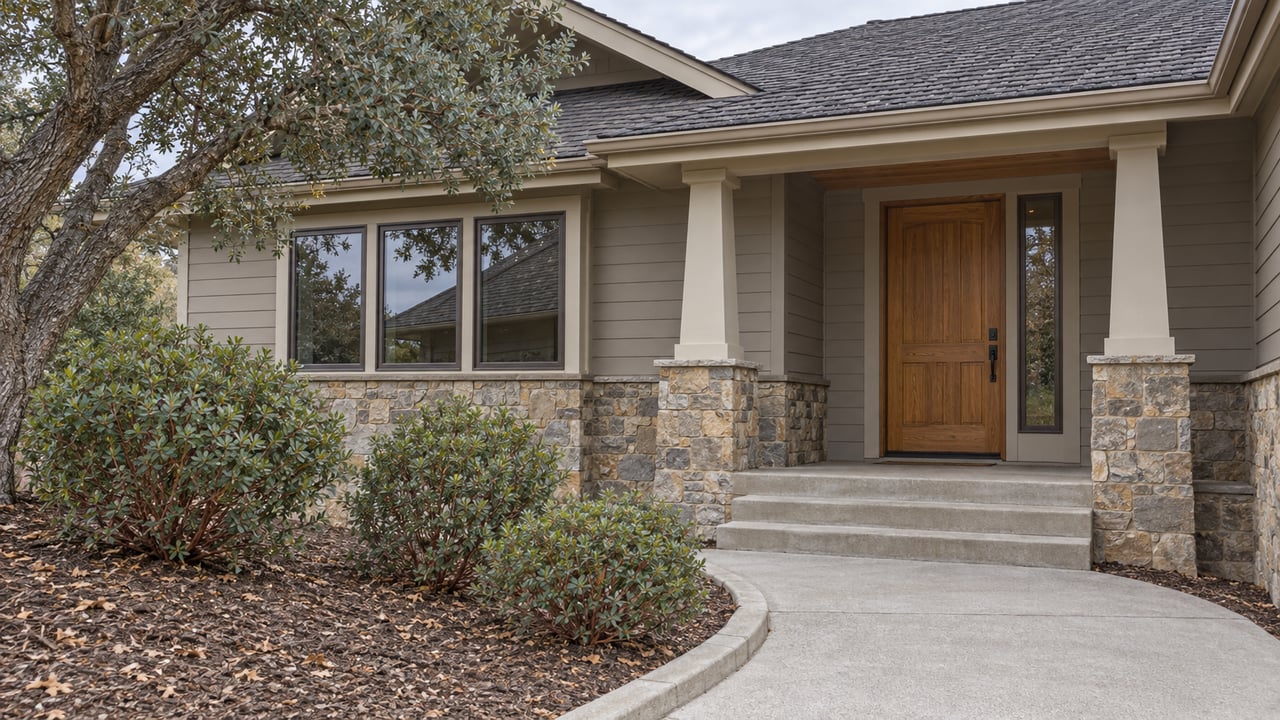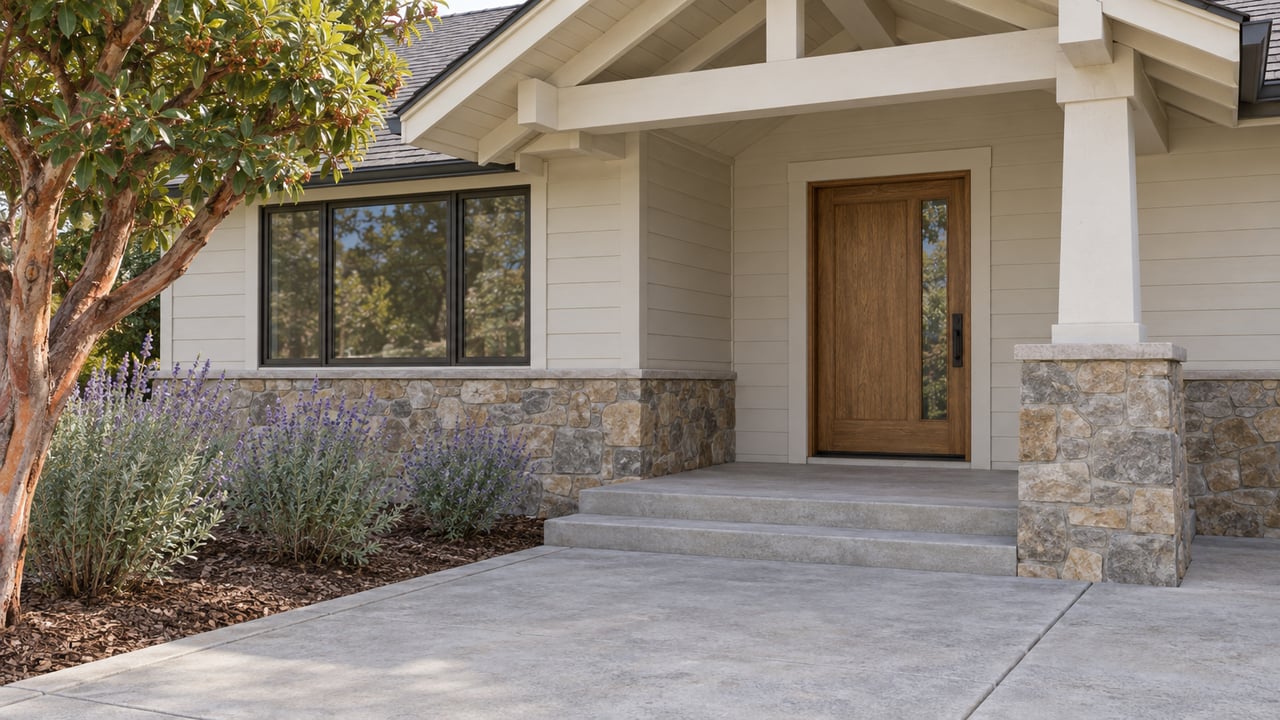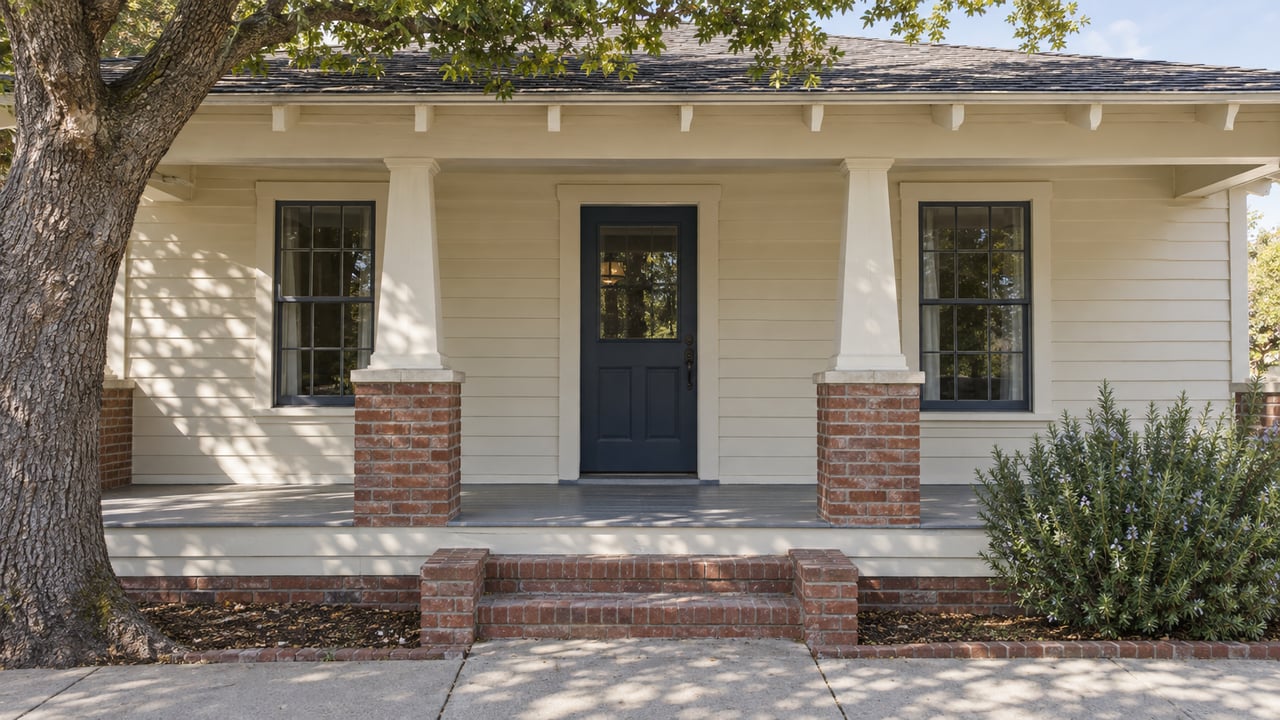
A pilot walks into Cameron Airpark Estates and sees a house with a hangar attached. He sees direct taxi access to Runway 13/31, a community where the roads are wider than the runway itself, and a lifestyle he's wanted since he got his license. His lender's appraiser walks onto the same property a week later and sees something else entirely: a three-bedroom house with an outbuilding. Not a hangar. An outbuilding. Same category as a detached garage or a toolshed.
That gap between what the buyer is paying for and what the appraiser is trained to see is the actual story in Cameron Park's Airpark, and it matters more than anything on the MLS listing.
What You're Really Buying Isn't Just the House
Cameron Airpark Estates sits just west of the runway at Cameron Park Airport (FAA identifier O61), built starting in 1963 specifically for aviation enthusiasts who wanted their planes as close as their cars. The community holds roughly 124 established homes plus around 20 remaining vacant lots, and the roads inside it aren't really roads in the conventional sense. They're taxiways with mailboxes, engineered wide enough for a plane and a car to pass without incident, with street signs and mailboxes mounted low so a wingtip won't clip them.
None of that is decoration. It's recorded on the title. According to Cameron Park Airport, every property in the airpark carries an avigation easement, a permanent legal right that allows aircraft to operate over and around the property, along with CC&Rs enforced by an Architectural Control Committee operating under the authority of the Cameron Park Community Services District. Buy a home here and you're also buying into a governance structure: the Cameron Park Airport District itself, which is financially separate from the residential airpark for common-area purposes, and Friends of the Cameron Park Airport, a resident nonprofit that keeps the community's social and advocacy side running.
If you're used to reading a standard HOA disclosure packet, budget extra time here. The easements and architectural rules aren't boilerplate. They exist because a plane taxiing past your kitchen window is a feature, not a bug, and the paperwork has to say so explicitly.
The Premium Is Real, and It's Not About Finishes
Ask a local real estate agent why Airpark homes trade above comparable Cameron Park properties and you'll get a version of the same answer: there are only so many lots, and there will never be more. Cameron Park Realtor Mike Brewer has put the premium at 30 to 35 percent over similar homes outside the airpark, and the logic behind that number is worth sitting with. It isn't granite counters or square footage driving the gap. It's the fact that the number of taxiway-adjacent lots is limited, and demand from pilots who want exactly this setup keeps showing up regardless of what the broader Cameron Park market is doing.
That fixed-supply dynamic is also why sales inside the airpark happen infrequently. When a house does list, it tends to draw buyers who have been waiting specifically for an airpark opening, not buyers comparing it against a standard subdivision three streets over. That's a different kind of market than the median-price conversations that apply to the rest of Cameron Park.
Where the Deal Actually Gets Stuck
Here's the part that catches people off guard almost every time. A conventional 30-year mortgage works fine for the residential structure. Most lenders will underwrite the house itself like any other home, especially when the primary use is residential. The trouble starts with the hangar.
Appraisers classify hangars as outbuildings and assign them little to no additional value for runway proximity, regardless of what it actually cost to build one or what a pilot buyer would pay to have one. Combine that with how rarely airpark homes trade, and an appraiser has almost no true comparable sales to lean on. The result is an appraisal that frequently comes in below the agreed purchase price, not because the home isn't worth it, but because the valuation model wasn't built for a property type where the driveway connects to a runway.
Buyers who've been through this in fly-in communities generally land on one of a few workarounds:
- Finance the house conventionally and pay cash for the hangar, which sidesteps the appraisal fight entirely.
- Close on the house first, then use a HELOC or home equity loan once there's equity to draw against, funding hangar work separately from the original purchase.
- Seek out a portfolio lender or a lender with prior airpark experience who is willing to use their own judgment on value rather than leaning purely on standard appraisal guidelines.
- Where a gap between purchase price and appraised value shows up anyway, bring extra cash to closing or negotiate seller financing to bridge the difference.
FHA and VA financing tend to be harder paths here. VA underwriters can struggle with private taxiway easements and the access agreements that come with them. Most buyers find a conventional loan is the simpler route for the house, with the hangar handled as its own, separate financial decision.
| Component | Typical financing path |
|---|---|
| The house | Conventional mortgage, underwritten like a standard single-family home |
| The hangar | Cash, post-closing HELOC, or a portfolio lender familiar with airpark properties |
| The aircraft | Financed separately through an aircraft loan, entirely apart from the mortgage |
Treating these as three separate transactions instead of one bundled purchase is the single biggest thing that keeps an airpark deal from stalling at underwriting.
The 2010 Bond Is a Preview of the Question You Should Ask
Cameron Park's Airpark residents already have a precedent for shared infrastructure costs. In 2010 they created a bond facility, attached to every property in the airpark, specifically to fund renovation and maintenance of the pavement surfaces that double as taxiways. That assessment was paid through property tax impounds and matured in 2019, meaning it's no longer active on current bills. But the fact that it existed once is the reason a buyer today should ask, plainly, whether any new assessment is being discussed. Pavement that supports aircraft weight doesn't last forever, and a community built around shared taxiways will eventually need to fund the next resurfacing the same way it funded the last one.
This is a conversation for early in escrow, not a surprise found in a homeowner association document three days before closing.
What This Means If You're Actually Ready to Transact Here
If you're at the stage of writing an offer inside Cameron Airpark Estates, or listing a property there, the practical checklist looks different from a standard Cameron Park transaction:
Confirm the property's easement and CC&R status directly, rather than assuming it matches a neighboring lot. Ask your lender up front how they plan to treat the hangar in underwriting, and don't wait until the appraisal comes back low to have that conversation. If you're selling, prepare a comparable sales package specific to airpark transactions rather than pulling standard Cameron Park comps, since the two markets don't move together. And ask directly about the community's history with shared assessments, including whether anything is being planned to replace the bond that matured in 2019.
None of this changes the appeal of the lifestyle. It changes how prepared you are for the parts of the transaction that a listing photo never shows.
A Few Direct Questions
Is Cameron Airpark Estates the same thing as Cameron Park Airport? No. The Cameron Park Airport District operates the public-use runway itself, while the residential airpark next to it is financially separate for common-area purposes, even though the two are connected through shared easements and access.
Can I get a normal 30-year mortgage on an airpark home? Generally yes for the house. The hangar is where most buyers end up using cash, a HELOC, or a lender who has handled airpark properties before.
Why do airpark homes sell for more than similar homes elsewhere in Cameron Park? Local broker commentary points to a simple supply constraint: there are a fixed number of taxiway-adjacent lots, no way to create more, and buyers actively seeking that access.
Should I expect the appraisal to match my offer? Not automatically. Because sales are infrequent and hangars are valued as outbuildings, the appraisal often lands below the negotiated price, which is why cash reserves or a flexible lender matter more here than in a typical transaction.
If you're weighing a move into Cameron Park's Airpark, or you own a home there and want a clear-eyed read on what it would actually take to sell, Andi & Trent can walk you through the financing and disclosure specifics before you write an offer or sign a listing agreement. Get your free home valuation and consultation.
This article is general information, not legal, tax or financial advice. Consult a qualified professional about your situation.