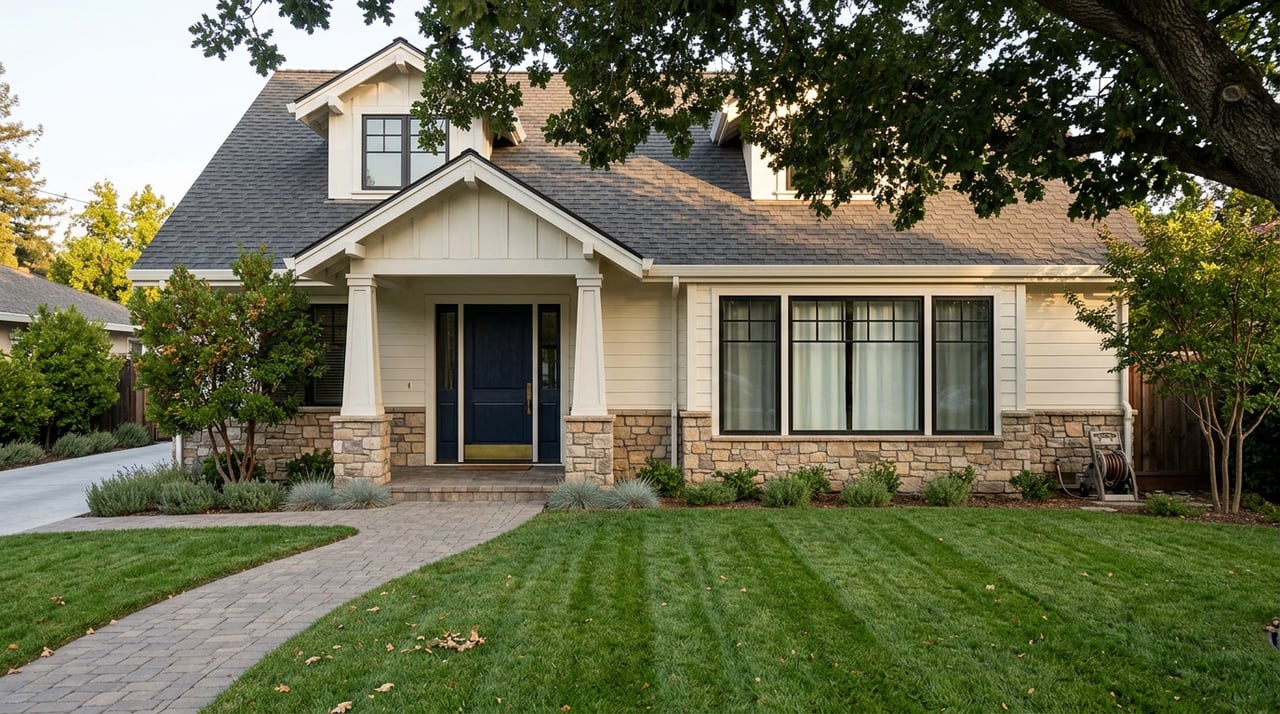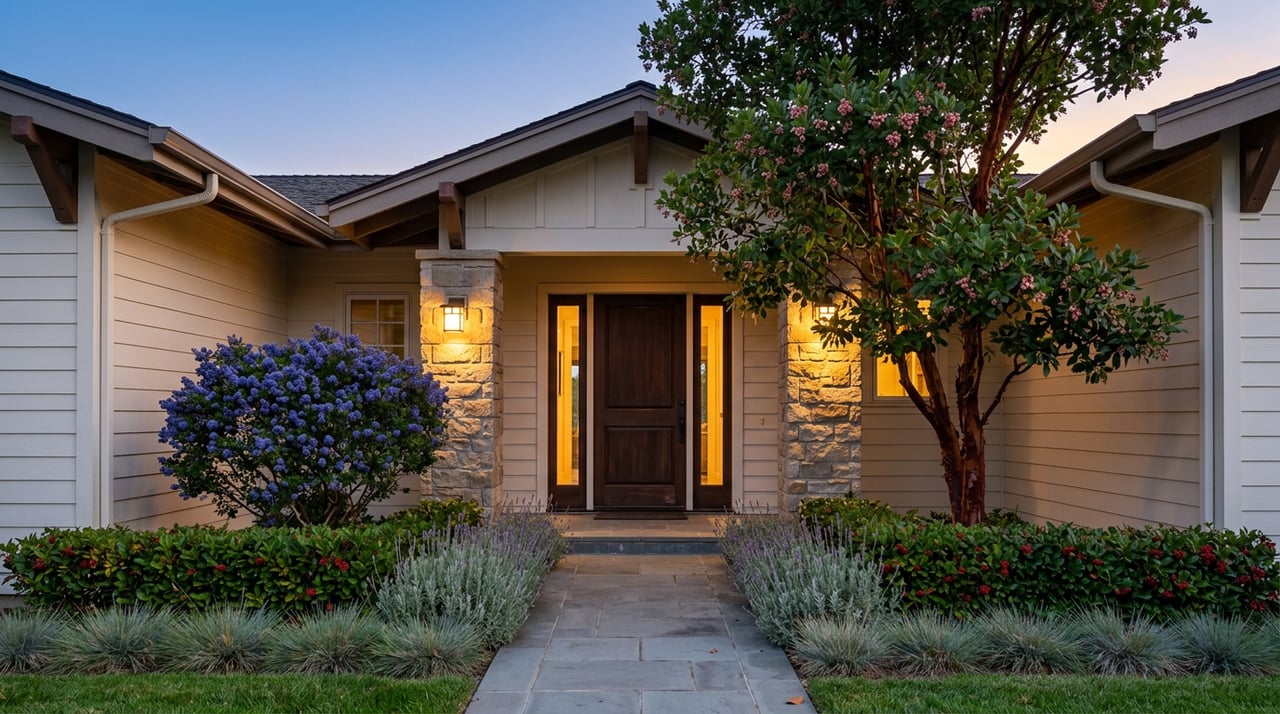
Two sellers list a home in Placerville the same week. Both think they know what's coming: an inspection period, a repair negotiation, a trip to the title company. One of them is wrong, and it has nothing to do with the house itself.
It has to do with where the property sits relative to a line most buyers never think to check. Inside the Placerville city limits, a wastewater rule most newcomers have never heard of can add a repair item, a contractor visit, and a wait for a city sign-off to the closing timeline. Step outside that line into unincorporated El Dorado County, and the wastewater question disappears, but a different set of due-diligence items takes its place: well output, drain field soil, private road agreements, even the location of old mine workings on the parcel. Neither side of the line is simpler. They're just different, and almost nobody explains which one applies until escrow is already open.
The Sewer Rule Nobody Explains Until Escrow
If your Placerville home is on city sewer, you might assume that's the end of the wastewater conversation. In most places, it would be. In the City of Placerville, being on the public sewer main is when a separate compliance process starts.
The city's Private Sewer Lateral Ordinance requires property owners to hold a Certificate of Lateral Compliance, or COLC, for the pipe that runs from their house to the public sewer main. A COLC is required before a property can transfer if the lateral doesn't already have a valid one on file, and it stays valid for 20 years once issued. If the pipe was installed within the last two decades, or a prior owner already went through the process, the seller may be covered without doing anything new. If neither is true, a licensed contractor has to run a video camera through the line from the building's cleanout to the connection point at the main, document its condition, and get the city's Building Official to sign off before the sale can close.
This isn't a formality left over from an old code book. The city adopted the ordinance to cut down on rainwater and groundwater leaking into the sewer system through cracked or aging laterals, a problem that strains the Hangtown Creek Water Reclamation Facility and has led to sewer overflows the city has been trying to get ahead of for years. The rule went through a multi-year public process, including a 2023 workshop at Town Hall, before the council settled on the 20-year certificate window that's in place today.
For a seller, the practical effect is this: if your lateral is old and was never certified, the CCTV inspection and any resulting repairs become part of your closing timeline, not an optional extra. For a buyer, it means asking whether a COLC is already on file for the property is a fair question to raise before you're deep into your own inspection period.
What Changes Once You Cross the Line
Move outside Placerville's city limits and the sewer question is replaced by a septic one. El Dorado County's Environmental Management department oversees septic systems through its own Private Sewage Disposal System Ordinance, covering everything from site evaluation to permitting to inspection. When a septic inspection happens, it isn't just filed away. It has to be phoned into the county's Septic Inspection Recorder, and the caller can do that any time of day up until 7 a.m. the morning of the inspection itself.
That inspection matters more in the foothills than it might in flatter ground. A Placerville-based septic contractor notes that properties here often sit on shallower soils and rockier, steeper ground than flat Sacramento Valley properties. That geology limits where a drain field can be installed and how much room there is to fix one if it fails, which is part of why getting the initial system right matters more here than it does elsewhere. Residential pumping in the area typically runs $300 to $500, a number worth knowing before you're negotiating repair credits at the eleventh hour.
Here's the side-by-side version of what each side of the line actually requires:
| Inside Placerville city limits | Unincorporated El Dorado County | |
|---|---|---|
| Wastewater system | City sewer, feeding the Hangtown Creek Water Reclamation Facility | Private septic, permitted through county Environmental Management |
| Sale-triggered requirement | Certificate of Lateral Compliance, unless one is already on file or the lateral is under 20 years old | Septic inspection, phoned into the county's Septic Inspection Recorder |
| Who inspects | Licensed C-36 plumbing contractor, CCTV video from cleanout to main | Licensed septic contractor, pump-out plus visual and hydraulic check |
| What can delay closing | Repairs found on the lateral video, or the wait for city sign-off | Drain field issues on rocky or shallow-soil lots, or well quantity and quality questions |
| Line items unique to this side | The lateral certificate itself | Well flow and water quality, private road maintenance agreements, mine shaft disclosure |
The Extra Line Items Nobody Mentions
Once you're outside city limits, the required advisory that El Dorado County REALTORS provide to buyers goes further than plumbing. It flags the quality and quantity of well water where a well serves the property, the condition of any septic system, and whether access is by a private road with a recorded right-of-way and maintenance agreement in place. It also asks buyers to consider the location of any mine shafts on the property and the hazards they pose.
That last one isn't boilerplate. El Dorado County sits inside the historic Mother Lode, and the region carries thousands of recorded mine claims and workings from more than a century of gold mining. Most rural parcels will never have an issue, but it's part of why the buyer advisory calls it out by name rather than leaving it to a generic hazards disclosure.
None of these items are deal-breakers by default. They're simply the reason a rural Placerville-area purchase often takes a bit more coordination up front, in the same way a city-limits sale takes more coordination around the sewer lateral. Different homework, similar amount of it.
What This Means If You're Closing Soon
If you're preparing to list, or you're under contract on a Placerville-area home, a few things are worth doing early rather than during the inspection contingency:
- Confirm whether the property is inside Placerville's incorporated city limits or in unincorporated county territory. This determines which set of requirements applies.
- If you're inside city limits, ask whether a Certificate of Lateral Compliance is already on file, or when the lateral was last installed or replaced. That answer tells you whether a new CCTV inspection is even necessary.
- If you're outside city limits, schedule your septic inspection with enough lead time to phone results into the county recorder, and ask your contractor directly about soil and drain field conditions specific to your lot.
- For any rural or acreage property, request documentation on well flow, prior water testing, and any private road maintenance agreement before you're deep into your contingency period.
- Budget for the possibility of a repair, whether that's a lateral point repair or a septic component, rather than assuming a clean inspection is guaranteed either way.
Quick Answers
Does every home in Placerville need a sewer lateral inspection to sell? No. If a valid Certificate of Lateral Compliance is already on file, or the lateral was installed within the last 20 years, the seller is already covered and no new inspection is required.
Is a septic inspection legally required to sell a home on a septic system in El Dorado County? County Environmental Management oversees septic inspections and requires that results be reported to its Septic Inspection Recorder. Buyers, lenders, and title companies routinely expect documentation of the system's condition before closing.
Who pays for the sewer lateral or septic repairs if something is found? The ordinance and county rules don't dictate who pays. Like most inspection findings, it's typically negotiated between buyer and seller as part of the purchase contract.
Does a home need to be on a full acre to trigger the rural due-diligence items? The county's buyer advisory specifically calls out rural properties of one acre or larger, or lots that weren't developed as part of a planned subdivision, as the ones where well, septic, road agreement, and mine shaft questions are most relevant.
The line between Placerville's city limits and the surrounding county isn't just a map detail. It determines which contractor you'll call, which agency you'll phone, and which line items show up in your disclosure packet. Knowing which side you're on before you list, or before you write an offer, is the difference between a closing timeline you control and one that surprises you.
If you're weighing a sale or a purchase anywhere along the Highway 50 corridor and want a clear read on what your specific address requires, Andi & Trent can walk you through it. Get your free home valuation and consultation, and know exactly what your closing checklist looks like before you need it.