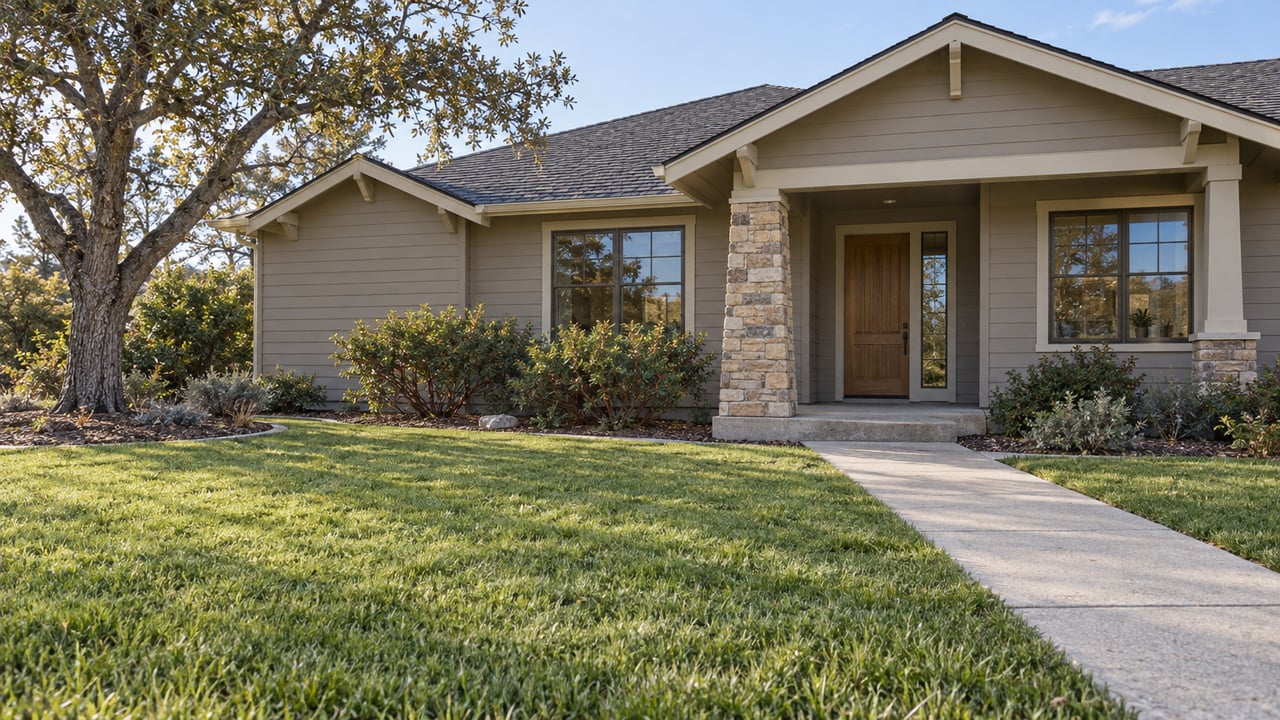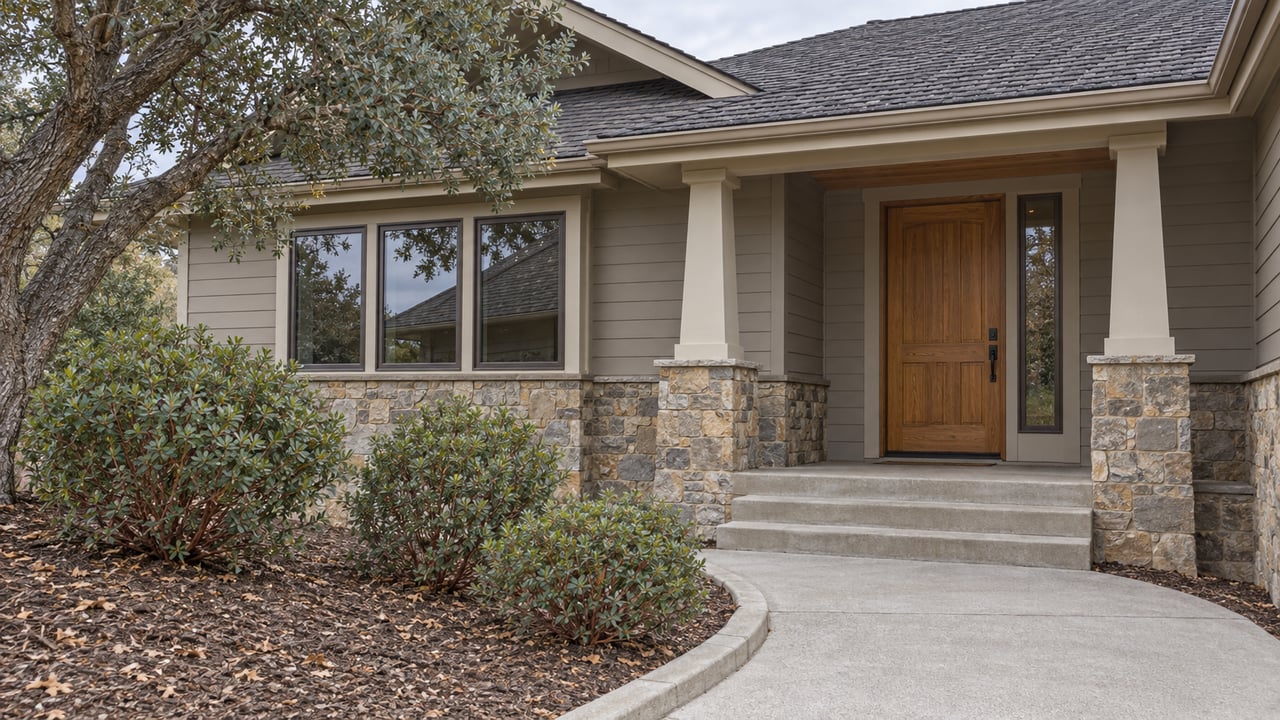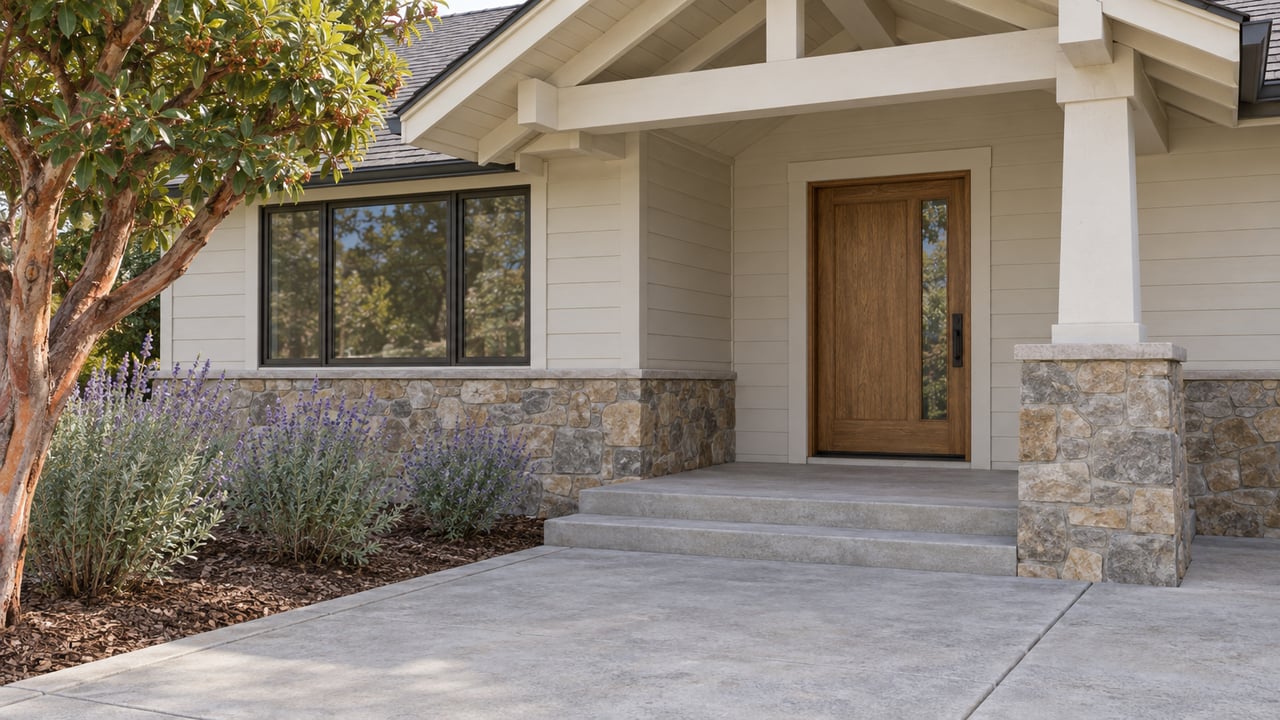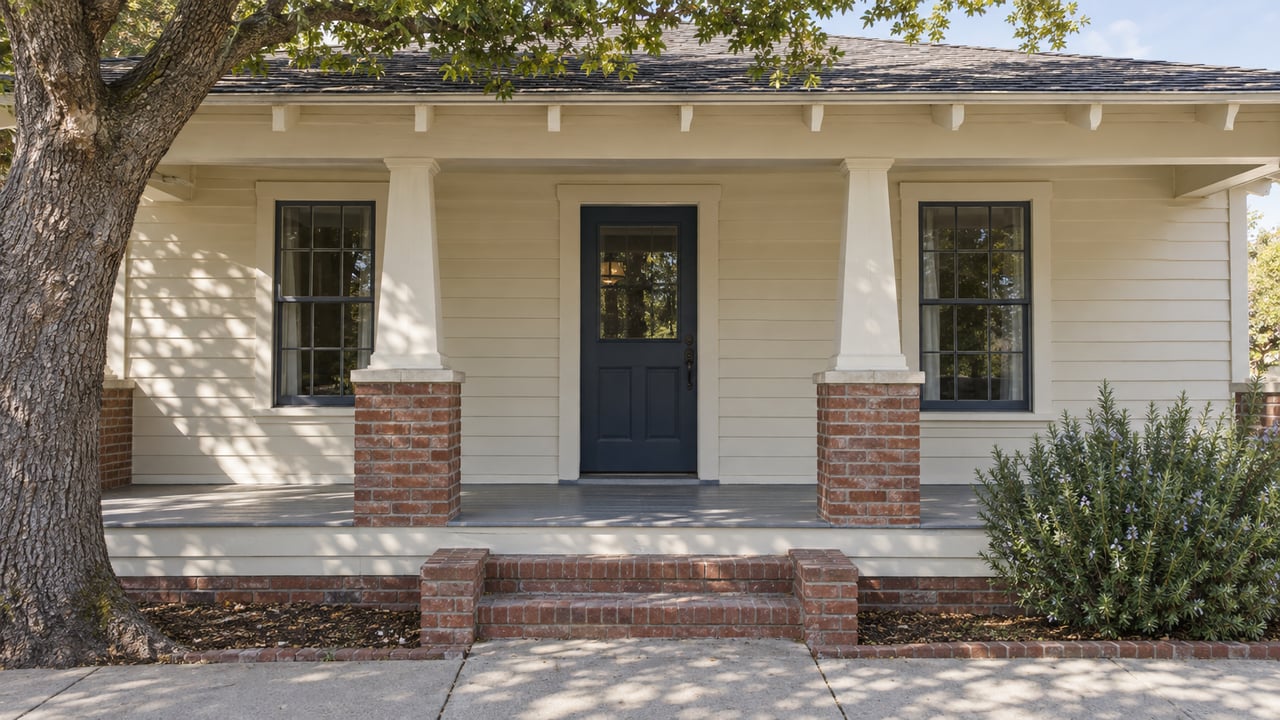
Trying to choose between El Dorado Hills and Folsom? You are not alone. Many buyers compare these two nearby communities because both offer strong lifestyle appeal, but they serve different priorities. If you are weighing price, commute, neighborhood feel, and everyday convenience, this guide will help you sort out which market may fit you best. Let’s dive in.
El Dorado Hills vs. Folsom at a glance
If you want the quick version, the biggest difference is this: El Dorado Hills tends to offer a more premium, lower-density, foothills-oriented setting, while Folsom tends to be the more price-accessible, transit-connected, and retail-dense option.
That does not make one better than the other. It simply means your best choice depends on how you live day to day, what you want your budget to do, and what kind of surroundings feel right to you.
Home prices and monthly costs
For many buyers, budget is the starting point. According to Zillow home value data for El Dorado Hills and Folsom, the typical home value in El Dorado Hills was $899,071 as of January 31, 2026, compared with $744,485 in Folsom.
That puts El Dorado Hills about $154,586 higher, or roughly 20.8% more expensive based on typical home value. Zillow also reported a median sale price of $879,667 in El Dorado Hills and $727,500 in Folsom, with median list prices of $1,009,167 and $755,833, respectively.
Monthly ownership costs show a similar pattern. Based on U.S. Census QuickFacts for Folsom and El Dorado Hills, the median monthly owner cost with a mortgage is $3,752 in El Dorado Hills versus $3,141 in Folsom.
If keeping your purchase price and monthly payment more manageable is a top goal, Folsom likely gives you more room. If you are comfortable shopping at a higher price point and want what often comes with that, El Dorado Hills may feel like the better fit.
Market pace and inventory
Price is only part of the story. You also want to know how competitive each market feels when you are ready to make a move.
Zillow reported similar inventory levels in late February 2026, with 166 homes for sale in El Dorado Hills and 152 in Folsom. The difference showed up more in speed: homes in Folsom had a median 20 days to pending, compared with 38 days in El Dorado Hills.
Both markets were also slightly softer than the year before. Zillow shows Folsom down 2.5% year over year and El Dorado Hills down 0.9% year over year.
For you as a buyer, that may mean Folsom can feel a bit faster-moving in practice, while El Dorado Hills may offer a little more time and space to evaluate options. Market conditions can shift, but this snapshot is useful when thinking about timing and strategy.
Neighborhood feel and housing character
Lifestyle often comes down to feel, not just numbers. This is where the contrast between these two communities becomes easier to picture.
Census data shows El Dorado Hills has an owner-occupied housing rate of 87.5%, compared with 69.7% in Folsom. It also has a much lower population density, at 1,043.1 persons per square mile versus 2,885.6 persons per square mile in Folsom.
El Dorado Hills also covers a larger area, with 48.46 square miles compared with 27.88 square miles in Folsom. In simple terms, that points to a more spread-out, lower-density environment in El Dorado Hills, while Folsom reads as a more compact suburban city.
If you are drawn to a foothills setting, a more ownership-heavy housing mix, and a less dense feel, El Dorado Hills stands out. If you prefer a more connected layout with more of your daily stops clustered throughout town, Folsom may suit you better.
Commute and transit options
Your weekly routine matters. If commute time or transportation flexibility is high on your list, Folsom has a measurable edge in the available data.
According to the Census, mean travel time to work is 26.6 minutes in Folsom and 32.0 minutes in El Dorado Hills. That is a difference of 5.4 minutes each way on average.
Folsom also offers light rail access. SacRT’s Historic Folsom station is on the Gold Line to Sacramento Valley Station, and SacRT notes that weekday Folsom service moved to 15-minute frequency in 2025.
El Dorado Hills relies more on road travel and bus-based options. The area is served by El Dorado Transit commuter routes, local fixed-route buses, dial-a-ride, park-and-ride access, and SAC-MED, which supports a more car-first pattern overall.
If you want a suburb with stronger transit access, Folsom has the advantage. If you are comfortable driving more often and value the foothills-oriented setting, El Dorado Hills may still check the right boxes.
Recreation and daily convenience
Where you live is also about what your weekends and errands feel like. Both communities offer recreation and services, but they do so in different ways.
Folsom has a strong trail and activity identity. The city reports more than 50 miles of Class I bike and pedestrian trails through its parks, trails, and open space system. Local visitor resources also highlight destinations like Lake Natoma, Folsom Lake, Johnny Cash Trail, Historic Folsom, and several shopping areas throughout the city.
El Dorado Hills leans more suburban and foothills-oriented. The El Dorado Hills Chamber overview describes the area as part of the Sierra foothills and points visitors toward local wine tasting and Apple Hill. The El Dorado Hills Community Services District notes the area includes two community parks, five village parks, fifteen neighborhood parks, and two athletic field locations, with Bass Lake Regional Park and trail connectivity improvements in progress.
For day-to-day errands, Folsom appears more spread across multiple shopping and service nodes. In El Dorado Hills, many everyday conveniences are concentrated around Town Center, where the directory includes services such as Nugget Market, Target, Regal Cinemas 14 IMAX, fitness, medical, dental, travel, and other professional services.
Which buyers may prefer Folsom?
Folsom may be the stronger match if you want:
- A lower entry price
- Lower median monthly ownership costs
- A shorter average commute
- Light rail access to Sacramento
- More retail and recreation nodes across town
- A more compact suburban layout
If your decision starts with efficiency, access, and value, Folsom makes a compelling case.
Which buyers may prefer El Dorado Hills?
El Dorado Hills may be the better fit if you want:
- A higher-budget home search
- A lower-density setting
- A more owner-occupied housing mix
- A foothills-oriented environment
- A more spread-out suburban feel
- Easy access to local parks and Town Center conveniences
If your goal is space, setting, and a more premium foothills feel, El Dorado Hills often stands out.
How to decide between them
If you are still torn, try narrowing your decision around the factors that shape your life most.
Start with your budget
Look at the full monthly picture, not just the list price. The gap in home values and owner costs between these two markets is meaningful, so it helps to know where you feel comfortable before you start touring homes.
Think about your weekly routine
How often do you commute, and how much does drive time matter? If you value transit access or want to trim your average travel time, Folsom may line up better with your schedule.
Picture your ideal setting
Some buyers want a more compact city feel with many errands close at hand. Others want a lower-density foothills environment with a different pace and visual character. That difference is one of the clearest distinctions between Folsom and El Dorado Hills.
Tour both with the same checklist
When you visit homes, compare them using the same priorities each time. Focus on price, layout, commute, nearby conveniences, and the overall feel of the area so your decision stays grounded in what matters most to you.
The bottom line
If you want the more affordable, transit-connected, and convenience-driven option, Folsom may be your best match. If you want a more premium, owner-occupied, lower-density community with a foothills setting, El Dorado Hills may be the better long-term fit.
The right answer is not just about which market looks better on paper. It is about which one supports the way you want to live. If you are comparing homes in El Dorado Hills, Folsom, or both, Trent Andra can help you evaluate your options with clear local guidance and a practical plan.
FAQs
Is El Dorado Hills more expensive than Folsom?
- Yes. Zillow data in the research report shows typical home values, median sale prices, median list prices, and monthly owner costs are all higher in El Dorado Hills than in Folsom.
Is Folsom better for commuting than El Dorado Hills?
- Based on Census commute data and SacRT service information, Folsom has a shorter mean travel time to work and direct light rail access through Historic Folsom station.
Does El Dorado Hills have a lower-density feel than Folsom?
- Yes. Census data in the research report shows El Dorado Hills has lower population density, a larger land area, and a higher owner-occupied housing rate than Folsom.
Which area has more shopping and everyday conveniences?
- The research report suggests Folsom has more shopping and service nodes distributed across the city, while El Dorado Hills concentrates many conveniences around Town Center.
Is El Dorado Hills or Folsom better for trails and outdoor recreation?
- Both offer outdoor access, but in different ways. Folsom is noted for its trail network and recreation destinations, while El Dorado Hills offers parks, foothills access, and a more spread-out suburban setting.